Teeth covers: what they are, how they transform smiles, and whether they are right for you
If you have been looking into cosmetic dentistry and come across the idea of covering the front surfaces of your teeth to improve their appearance — whether you have seen them called veneers, teeth covers, smile makeover solutions or something else — you are looking at one of the most effective and dramatic smile transformations available.
Teeth covers — the clinical term is porcelain veneers — are thin shells of dental ceramic bonded to the front surface of the teeth. They change the colour, shape, length and surface texture of a tooth simultaneously, in a way that no other single treatment can match. A chipped tooth, a discoloured tooth, an uneven edge, a gap, a slightly rotated tooth — all of these can be addressed with a single well-designed set of teeth covers placed by an experienced clinician.
But they are not the right treatment for everyone, and the decision to place them involves a commitment that is worth understanding fully before going ahead.
At Smile Perfections in Oadby, Leicester, led by Dr Juttes Pallipatt GDC No. 104499 and Dr Pratima Pallipatt GDC No. 101258, teeth covers are one of the treatments we place most carefully — because the preparation, the material selection and the technical execution all directly determine whether the result looks genuinely natural or falls short. This guide tells you everything worth knowing.
What exactly are teeth covers and how do they work?
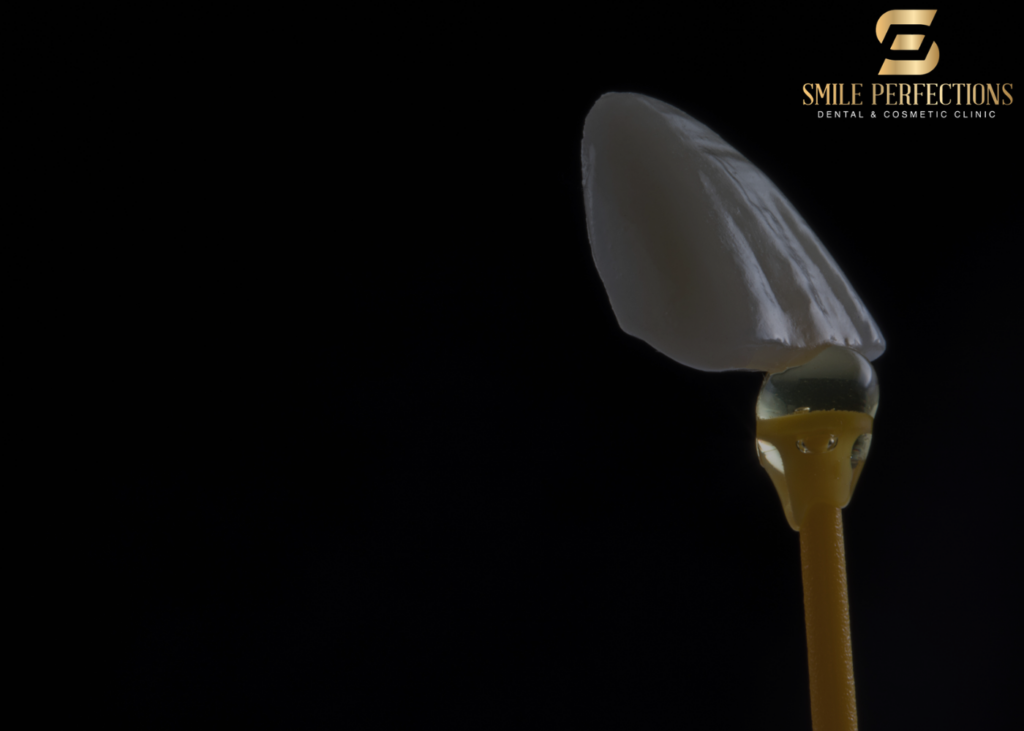
A dental teeth cover is a thin ceramic shell — typically between 0.3 and 1.0 millimetres in thickness — fabricated in a dental laboratory to a precise prescription and bonded to the prepared front surface of a tooth using a dual-cured adhesive resin cement.
The ceramic used is most commonly feldspathic porcelain, leucite-reinforced glass-ceramic (such as IPS Empress), or lithium disilicate (such as IPS e.max). Each material has different properties in terms of strength, translucency and optical behaviour. For most smile makeover cases, lithium disilicate has become the material of choice — it combines a level of translucency and light-handling that closely mimics natural enamel with a flexural strength that conventional feldspathic porcelain cannot match.
The thinness of the shell is what makes teeth covers possible: the underlying tooth surface is prepared by removing a thin layer of enamel — typically 0.3 to 0.7 millimetres — to create space for the veneer without the restored tooth appearing bulky. The ceramic is then bonded to the etched enamel surface, creating a strong, stable restoration that becomes functionally and aesthetically part of the tooth.
The result, in skilled hands, is a tooth surface that interacts with light in the way natural enamel does — not the flat, opaque look of older ceramic technologies. Modern lithium disilicate teeth covers, correctly characterised and polished, are genuinely difficult to distinguish from natural teeth.
What problems can teeth covers fix?
This is where most patients’ interest begins — the specific concerns they want to address.
Discolouration and staining that does not respond to whitening
Certain types of tooth discolouration — tetracycline antibiotic staining, fluorosis, intrinsic discolouration from old trauma, development-related colour changes — are not meaningfully improved by whitening because the pigment is within the tooth structure at a depth that peroxide compounds cannot effectively reach. Teeth covers address this definitively: the veneer replaces the visible surface of the tooth with ceramic of the chosen shade, regardless of what the underlying tooth looks like.
For patients who have tried whitening and been disappointed by the degree of improvement, teeth covers are often the appropriate next step.
Chips, fractures and worn edges
A chipped front tooth can be repaired with composite bonding in a single appointment — but for patients who want a more durable, stain-resistant solution, a ceramic tooth cover on the affected tooth (and sometimes the adjacent teeth for symmetry) produces a more polished and longer-lasting result.
Worn, shortened front teeth — from years of acid erosion or tooth grinding — can have their length and profile restored with teeth covers, giving the face a more youthful appearance by restoring the proportion of tooth visible when the lips are relaxed and when smiling.
Gaps between teeth
Gaps — whether a central diastema (the gap between the two upper front teeth) or multiple spacing issues across the arch — can be closed or significantly reduced with teeth covers by building out the width of the relevant teeth. The proportional calculation is important here: the teeth need to remain in harmony with the face, and closing a very wide gap entirely with teeth covers can sometimes produce teeth that appear unnaturally wide. An experienced clinician will tell you honestly what is achievable and what would look best for your specific anatomy.
Uneven lengths and irregular shapes
Teeth that are uneven in length — where one is naturally shorter, or where one has worn more than the other — can be brought into better harmony. Teeth that have unusual shapes (overly pointed canines, very narrow lateral incisors, irregular edges) can be reshaped with ceramic teeth covers to create a more even, considered smile.
Minor alignment issues
Where a tooth is very slightly rotated or sits marginally out of line, teeth covers can sometimes create the impression of better alignment by reshaping the tooth rather than moving it. This is not a substitute for orthodontic treatment where alignment is the primary concern, and it only works within a limited range — but for specific teeth and specific presentations, it is a valid and conservative approach to an aesthetic concern.
What teeth covers cannot do
Being honest about this is as important as explaining what they can achieve.
- Teeth covers do not straighten teeth in any meaningful sense. Where a tooth is significantly rotated, tilted or out of position, the correct treatment is orthodontics — Invisalign or other aligner systems — not teeth covers. Placing covers on significantly misaligned teeth either requires removing too much tooth structure to accommodate the ceramic or produces teeth that look disproportionate from the side.
- Teeth covers do not fix problems that originate beneath the surface. A tooth with active decay, a cracked root, a dying nerve or significant bone loss from gum disease is not a candidate for aesthetic treatment until those underlying problems have been addressed. Placing teeth covers on a tooth with an undetected abscess is placing aesthetic work on a foundation that will fail.
- Teeth covers do not work on crowns, bridges or existing ceramic restorations. Ceramic does not bond to ceramic with the same reliability as ceramic bonding to enamel. Where a tooth already has a crown or a large restoration, the treatment plan needs to account for this.
- Teeth covers involve a commitment. The preparation of the enamel surface — even the minimal preparation of a well-designed ceramic tooth cover — is permanent. This is the most significant consideration in the decision to proceed, and it is one that Dr Juttes Pallipatt and Dr Pratima Pallipatt discuss with every patient at the consultation stage.
Teeth covers versus composite bonding: choosing the right option
The most common comparison patients make is between ceramic teeth covers (veneers) and composite bonding — and the right choice depends on the specific situation.
Composite bonding uses a tooth-coloured resin material applied directly to the tooth surface, sculpted freehand and set with a curing light. It is completed in a single appointment, requires no laboratory fabrication, involves minimal or no tooth preparation and is reversible. At Smile Perfections, composite bonding is an excellent option for patients who want a significant aesthetic improvement without the preparation and permanence that ceramic teeth covers involve.
Ceramic teeth covers are the better choice when:
The underlying tooth is very dark and composite cannot adequately mask the colour. Ceramic offers better opacity and colour stability than composite — a severely discoloured tooth is far better masked by ceramic than by resin.
Maximum stain resistance is a priority. Composite is more porous than ceramic and will stain over time with coffee, tea and wine. Ceramic teeth covers maintain their colour significantly better and typically need no repolishing for many years.
The degree of reshaping needed is significant. Composite can reshape teeth, but very large amounts of composite — needed to substantially lengthen teeth or close wide gaps — are more prone to chipping and have a shorter lifespan than ceramic.
Longevity is a priority. Ceramic teeth covers typically last ten to fifteen or more years with good care. Composite bonding typically needs attention after five to seven years. Over a ten to fifteen year horizon, ceramic often represents better value despite the higher initial cost.
For patients who are unsure, starting with composite bonding is sometimes the right sequence: it allows you to see the shape and appearance of the improved smile without permanent commitment, and provides a reference point for the ceramic teeth covers that follow.
The process of getting teeth covers: what to expect step by step
Consultation and planning
The first appointment is a conversation. The clinician examines the teeth and gums, takes photographs, assesses the bite and discusses what the patient wants to achieve. Where gum disease or decay is present, this must be treated before any cosmetic work proceeds — a dental check-up and hygienist appointment are typically the starting point for any patient considering teeth covers.
Smile design — using digital photography or, in some cases, digital smile design software — can give a preview of the intended result. Some clinicians use a composite mock-up applied directly to the unprepared teeth to demonstrate the planned shape before any preparation takes place. This is an excellent way to validate the design before committing.
Preparation
At the preparation appointment, a very thin layer of enamel is removed from the front surface of each tooth receiving a cover. For ultra-thin or no-preparation teeth covers, this removal is minimal or negligible; for standard teeth covers, it is typically 0.3 to 0.5 millimetres. Local anaesthetic is used to ensure comfort.
Impressions or digital scans of the prepared teeth are taken and sent to the dental laboratory, where the covers are fabricated to the precise prescription. Temporary covers are placed on the prepared teeth to protect them while the permanent restorations are being made.
Fitting
When the ceramic covers return from the laboratory — typically within one to two weeks — they are tried in dry to check the shade, shape and fit. Any adjustments needed are made before the final bonding. Once both patient and clinician are satisfied, the teeth are etched, bonded, and the covers cemented in place. The bite is checked carefully in all positions, and the surfaces are polished.
The moment the covers are placed, the transformation is visible. Most patients describe this as one of the most immediate and significant cosmetic changes they have experienced.
Caring for teeth covers
Ceramic teeth covers are durable and stain-resistant, but they are not indestructible. The habits that affect their longevity are worth understanding.
- Bruxism (tooth grinding) is the single biggest risk factor for ceramic fracture. The forces generated during grinding are significant — lithium disilicate, despite its strength, can and does fracture under sustained nocturnal grinding without a protective night guard. If you grind, a night guard is not optional.
- Biting on hard objects. Ice, pen lids, fingernails, very hard bread crusts — any habit that places impact forces on the front teeth risks chipping the ceramic edge. This does not need to be a dramatic impact; repeated moderate forces over time can produce small chips at the incisal edges.
- Regular hygiene appointments. The gum tissue around teeth covers needs the same care as the gum tissue around natural teeth. Gum disease that causes recession around covered teeth exposes the margin between the cover and the tooth — which affects both aesthetics and seal integrity. Regular dental hygienist appointments maintain the health of the supporting tissue and allow any marginal changes to be identified early.
- Regular check-ups. At each dental check-up, the teeth covers are assessed for any signs of wear, chipping, marginal staining or changes in fit. Catching minor issues early prevents them from becoming significant ones.
In conclusion
Teeth covers — ceramic veneers — represent one of the most significant and most durable transformations available in cosmetic dentistry. When correctly indicated, designed and placed, they produce results that genuinely cannot be achieved through any other single treatment.
The decision to proceed with ceramic teeth covers deserves the same consideration as any permanent treatment decision. The preparation is irreversible. The investment is meaningful. And the result — a smile that functions correctly, looks natural and lasts a decade or more — is one that patients consistently describe as life-changing in their impact on confidence.
At Smile Perfections in Oadby, Leicester, Dr Juttes Pallipatt GDC No. 104499 and Dr Pratima Pallipatt GDC No. 101258 approach every teeth covers case with the precision, artistic attention and clinical honesty that this treatment demands. Whether you are certain teeth covers are what you want or are still comparing them with other options, the consultation is the right starting point.
Patients frequently ask
Yes. Teeth covers is a common lay term for what clinicians call porcelain veneers or ceramic veneers — thin shells of dental ceramic bonded to the front surface of the teeth to improve their appearance. The material, the process and the outcome are identical; the terminology simply differs. At Smile Perfections, Dr Juttes Pallipatt and Dr Pratima Pallipatt use lithium disilicate ceramic for most smile makeover cases — a material that combines exceptional aesthetics with good clinical strength.
With good care — regular hygienist appointments, proper brushing, wearing a night guard if grinding is a factor, and avoiding habits that put impact force on the front teeth — ceramic teeth covers typically last ten to fifteen years or more. Some patients maintain their covers for longer; others need earlier attention due to chipping or changing gum levels. They are a long-term but not indefinite investment.
No, though both are used to improve the appearance of the front teeth. Composite bonding uses a tooth-coloured resin applied directly to the tooth in a single appointment — no laboratory, no preparation in most cases, reversible. Ceramic teeth covers are fabricated in a laboratory from ceramic material, require minimal enamel preparation, are not reversible, and are significantly more stain-resistant and durable. Composite bonding typically lasts five to seven years; ceramic teeth covers ten to fifteen years or more. The right choice depends on the specific clinical situation and priorities.
In skilled hands, yes — and this is one of the most important reasons why the choice of clinician matters for this treatment. Modern lithium disilicate ceramics interact with light in a way that closely replicates natural enamel — the translucency, the surface texture, the depth of colour. The characterisation of the ceramic (the specific shading and surface detail applied during fabrication) and the accuracy of the shade prescription are where the work is done. A correctly designed and correctly placed ceramic tooth cover is, for most purposes, indistinguishable from a natural tooth.
Yes, in most cases — ceramic teeth covers can close or significantly reduce a gap by building out the width of the adjacent teeth. The key consideration is proportion: the final width of the teeth must look natural in the context of the face and the rest of the smile. For a very wide gap, closing it entirely with teeth covers may produce teeth that appear too wide. For moderate gaps, full closure typically looks entirely natural. This is something that can be assessed at a dental check-up and consultation using smile design tools before any treatment is committed to.
Medical and dental information disclaimer
The information in this article is intended for general educational guidance only and does not constitute personalised dental advice. Suitability for ceramic teeth covers depends on individual clinical circumstances and should be assessed by a qualified dental professional.
Smile Perfections is a private dental practice in Oadby, Leicester, led by Dr Juttes Pallipatt GDC No. 104499 and Dr Pratima Pallipatt GDC No. 101258. We offer ceramic teeth covers (veneers), composite bonding, dental check-ups, dental hygiene appointments, Invisalign, teeth whitening, dental crowns, sedation and smile makeovers.