Rotten teeth - what is actually happening, how serious it is, and what treatment looks like
The word “rotten” when applied to teeth tends to carry a lot of weight, and not in a helpful direction. People use it to mean anything from a dark stain they have noticed on a back molar to a tooth that is causing constant severe pain and is visibly crumbling. The clinical reality spans that entire range, and the treatment options span it too.
Whether you are describing your own teeth or searching on behalf of someone who has been putting off dental care for too long, the most useful thing to understand is that rotten teeth exist on a spectrum from early decay that is entirely reversible to advanced breakdown that requires extraction. Where on that spectrum a tooth sits determines everything about what treatment is possible and what the long-term outcome looks like.
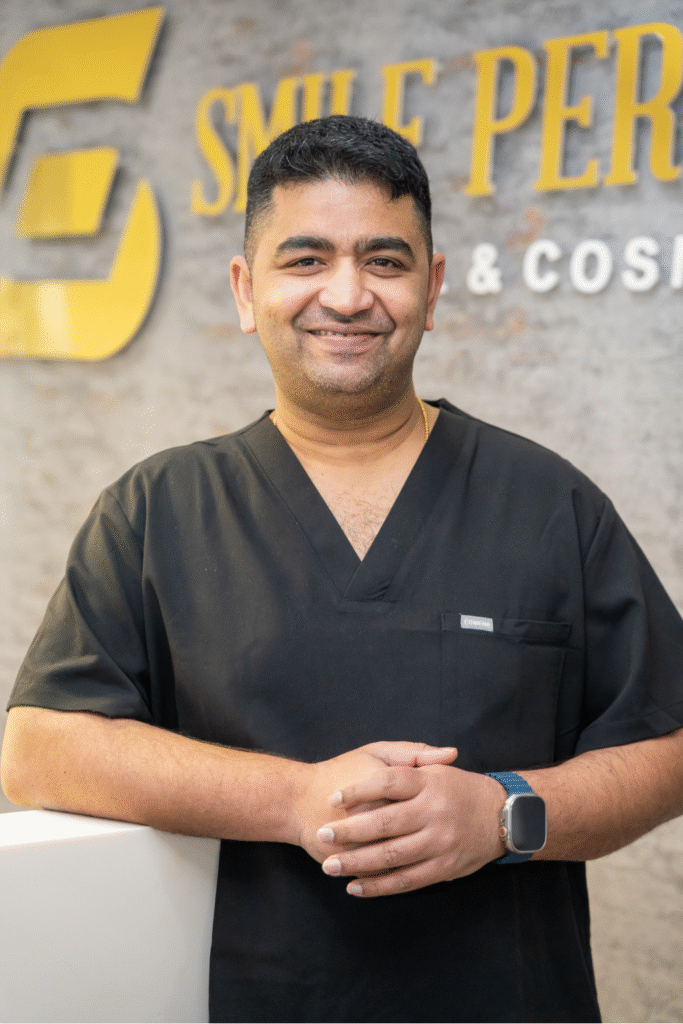
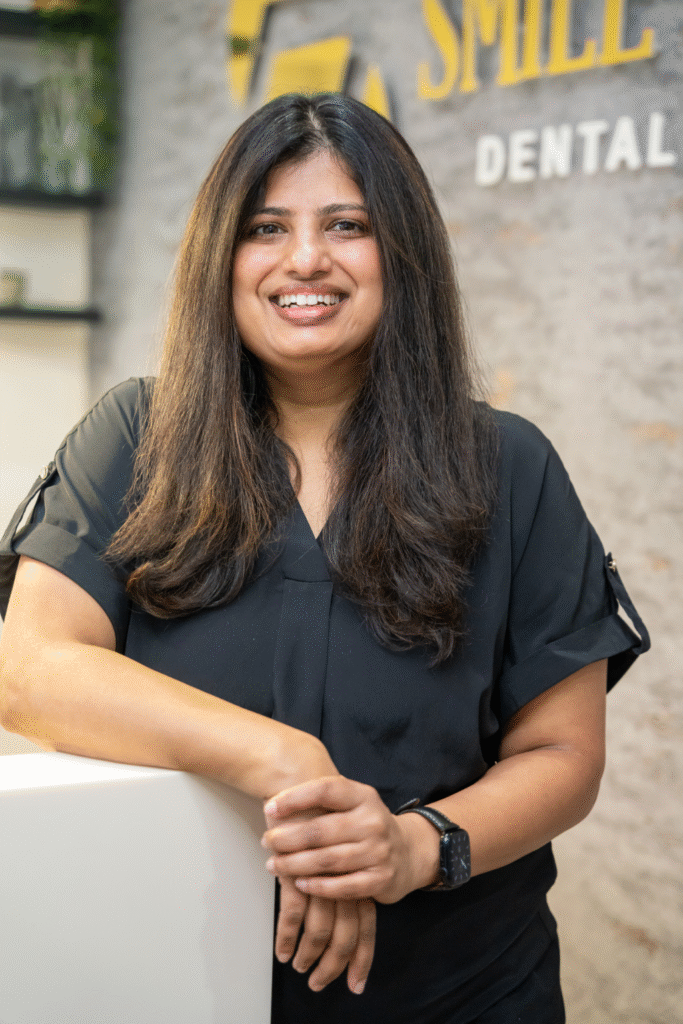
At Smile Perfections in Oadby, Leicester, led by Dr Juttes Pallipatt GDC No. 104499 and Dr Pratima Pallipatt GDC No. 101258, we see the full range: patients with a single cavity they have been nervous about, patients with multiple teeth in poor condition who have avoided dental care for years, and everything in between. The clinical picture is always assessed without judgement. What matters is what can be done from where things currently stand.
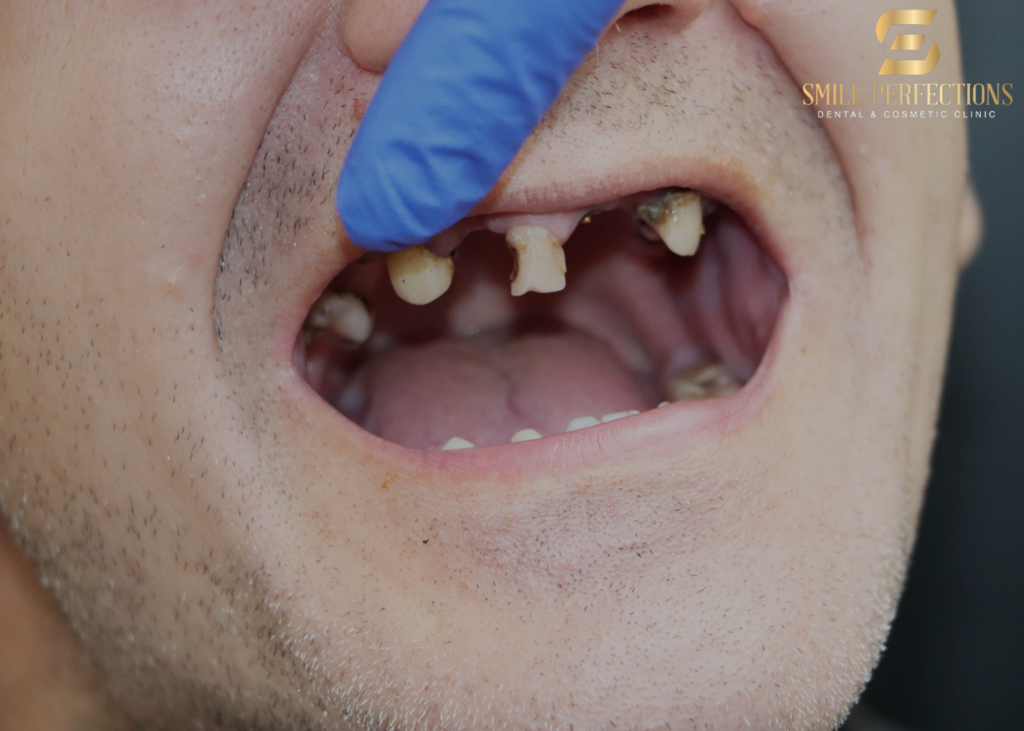
What is actually happening when a tooth rots
The term “rotten tooth” is not a clinical diagnosis but it describes something clinically precise: the progressive destruction of tooth structure by acid-producing bacteria.
The process begins with dental plaque, a sticky biofilm of bacteria that forms continuously on every tooth surface. The bacteria most responsible for decay, primarily Streptococcus mutans and Lactobacillus species, ferment dietary sugars and produce organic acids as a metabolic byproduct. These acids dissolve the mineral content of enamel in a process called demineralisation.
In its earliest stage, demineralisation is invisible and reversible. Fluoride from toothpaste and saliva can remineralise the enamel surface if the acid exposure is limited and oral hygiene is adequate. This is the basis of preventive dentistry.
When acid exposure is frequent or sustained and remineralisation cannot keep pace, the enamel eventually breaks down. A white spot lesion forms, then a cavity. Once the cavity breaches the enamel, the decay enters the dentine beneath. Dentine is softer, less mineralised and less resistant to decay than enamel. It also contains the dentinal tubules: microscopic channels that run from the outer surface toward the nerve. Once decay reaches dentine, the process accelerates.
If the decay reaches the dental pulp, the soft tissue at the centre of the tooth containing the blood vessels and nerve, the bacteria cause infection and inflammation of the pulp. This is the point at which significant pain typically begins. Untreated pulp infection leads to abscess formation, bone destruction and, eventually, tooth loss.
A rotten tooth at the early stage and a rotten tooth at the abscess stage are the same process at very different points in its progression.
The stages of tooth decay and what they mean clinically
Understanding the stages helps make sense of the treatment options. Each stage has a characteristic presentation, a characteristic symptom pattern and a characteristic clinical response.
Stage 1: white spot lesion (enamel demineralisation) A cloudy, opaque white area on the tooth surface where mineral has been lost from the enamel. The enamel surface is still intact. There is no cavity. This stage is often reversible with fluoride and improved oral hygiene. It requires monitoring and preventive intervention, not drilling.
Stage 2: enamel cavity The decay has breached the enamel surface, creating a visible hole or soft spot. At this stage there is usually no pain, because enamel has no nerve supply. The decay is confined to enamel and is treated with a small filling. Composite bonding (tooth-coloured composite resin) is now the preferred material for most small to moderate cavities, matching the tooth shade and bonding directly to the enamel.
Stage 3: dentine involvement The decay has penetrated through the enamel into the dentine. Dentine decay is faster than enamel decay. Sensitivity to sweet foods, cold and sometimes heat begins at this stage, as the decay approaches the dentinal tubules. Treatment is a filling, though the preparation is deeper and more tooth structure is removed. For larger cavities reaching this depth, a dental crown may be more appropriate than a filling.
Stage 4: pulp involvement (pulpitis) The decay has reached the pulp. The pulp becomes inflamed, then infected. The patient experiences severe, often spontaneous pain that is worse at night and not resolved by over-the-counter painkillers. Root canal treatment is the treatment to save the tooth at this stage: the infected pulp is removed, the canal system is cleaned and sealed, and the tooth is restored with a crown.
Stage 5: abscess and advanced breakdown An untreated infected pulp leads to abscess formation around the root tip: a collection of pus in the surrounding bone. The tooth may become very mobile, the surrounding gum may be swollen and tender, and the patient may be systemically unwell with fever and facial swelling. Tooth extraction is often necessary at this stage. Replacement options depend on the specific clinical situation but include dental implants and dentures.
What causes rotten teeth
The answer is bacteria plus sugar plus time. But the conditions that allow this to happen vary considerably between patients, and understanding the contributing factors matters for both treatment and prevention.
Diet and sugar frequency The bacteria that cause decay need sugar to produce acid. But it is the frequency of sugar exposure that matters most, not the total amount. Each time sugar enters the mouth, the bacteria produce acid and the oral pH drops. It takes approximately 30 to 40 minutes for saliva to restore neutral pH. A patient who drinks three cups of sugary tea throughout the day, taking 20 minutes each time, is acidifying their mouth repeatedly throughout the day with inadequate recovery time. A patient who eats a large slice of cake at one sitting has a single acid episode, then recovery. The cumulative acid exposure over a day is very different.
Poor oral hygiene Plaque that is not removed continues to produce acid and provides the bacterial reservoir for continued decay. Teeth that are not brushed adequately, interdental spaces that are never cleaned, and tongue surfaces that accumulate bacteria all contribute. Front teeth that are brushed are far less likely to decay than back teeth that are consistently missed.
Dry mouth (xerostomia) Saliva is the mouth’s primary defence against decay: it neutralises acid, delivers minerals to the tooth surface for remineralisation, and washes away food debris and bacteria. When saliva flow is reduced, from medication side effects (over 400 commonly prescribed medications list dry mouth as a side effect), systemic conditions, ageing or mouth breathing, the protective mechanism is impaired. Patients with dry mouth are significantly more susceptible to decay and can develop extensive rotten teeth rapidly despite otherwise adequate oral hygiene.
Acidic diet beyond sugar Carbonated drinks, even sugar-free versions, are acidic. Fruit juices, citrus fruits, vinegar-based foods and acid reflux all contribute to enamel erosion that makes the tooth surface more vulnerable to subsequent bacterial acid attack. The combination of erosion and decay together accelerates breakdown considerably.
Dental anatomy Some teeth are structurally more vulnerable than others. The fissures (grooves) on the biting surfaces of molars are narrow, steep-walled and impossible to clean with a toothbrush. They trap bacteria and food debris in a sheltered, low-oxygen environment where cariogenic bacteria thrive. Fissure sealants, applied during childhood, significantly reduce this risk by physically blocking access to the fissures.
Genetics Tooth enamel thickness and mineralisation, saliva composition, immune response to oral bacteria and the specific bacterial species that colonise the mouth all have a hereditary component. Some patients genuinely are more susceptible to decay than others for reasons that are partly genetic, not purely behavioural.
Can a rotten tooth be saved?
This is the question most patients want answered first, and it is the one with the most variable answer.
The honest clinical rule: if sufficient sound tooth structure remains above the gum line to support a restoration, and if the periodontium (gum and bone) around the tooth is not significantly compromised, the tooth can almost certainly be saved with appropriate treatment. If the decay has destroyed the tooth below the gum line, or if vertical root fractures have occurred alongside the decay, or if the bone loss around the tooth is severe, saving it is likely not clinically achievable.
The specific treatment depends on how much tooth remains and whether the pulp is involved:
Decay confined to enamel or shallow dentine: Composite bonding to fill and restore the cavity. Relatively simple, completed in one appointment, and very effective for small to moderate cavities.
Moderate decay with significant loss of tooth structure: A dental crown, which covers the entire visible tooth surface and protects the remaining structure from fracture.
Decay reaching the pulp: Root canal treatment to remove the infected nerve tissue, seal the canal system, and a crown to protect the treated tooth.
Tooth beyond saving: Tooth extraction, followed by a discussion about replacement options including dental implants to restore function and prevent bone loss, or dentures where implants are not appropriate.
What happens when multiple teeth are affected
Patients who present with multiple rotten teeth after a long period of avoided dental care often feel overwhelmed at the thought of addressing everything at once. The clinical approach is to prioritise by urgency: teeth causing acute pain or infection are addressed first, followed by the teeth most at risk of rapid progression, followed by the more stable but still decayed teeth.
A staged treatment plan spread over several appointments makes the process manageable, both clinically and financially. The dental check-up appointment at Smile Perfections is where this plan is established: X-rays show the extent of decay in every tooth, pocket depth measurements assess gum health, and the clinical team provides a clear picture of what needs treating, in what order, and what the full treatment involves before any commitment is made.
There is no judgement involved in this assessment. The clinical team at Smile Perfections has seen the full range of dental presentations, and the response is always practical: here is what is there, here is what can be done, here is the sequence.
For patients who have avoided the dentist for a long time because of anxiety about the anticipated reaction, or because of fear of treatment, the reality of attending for an assessment is almost always considerably less difficult than the anticipation.
The role of the hygienist in managing and preventing further decay
Once active decay is treated, preventing further decay is the ongoing priority. The dental hygienist appointment is central to this:
Professional scaling removes the tartar (hardened plaque) that cannot be removed by brushing and that harbours the bacteria responsible for gum disease and secondary decay. Air polishing removes surface staining and biofilm from the tooth surfaces that brushing misses. Professional fluoride application delivers concentrated fluoride to the enamel surface, supporting remineralisation and reducing vulnerability to future acid attack.
The hygienist appointment also provides the opportunity for personalised oral hygiene advice: identifying the specific areas the patient is missing when brushing, advising on the correct technique and the right tools for their specific anatomy, and flagging early signs of new decay before it progresses to the stage where treatment is more complex.
For patients with a history of extensive decay, three to four monthly hygiene appointments are often recommended, at least initially, to maintain a low bacterial load while the teeth and gums recover.
The impact beyond the clinical: why rotten teeth affect more than dental health
It would be incomplete to discuss rotten teeth without acknowledging that the impact extends well beyond the clinical. Visible decay, discolouration, broken teeth and missing teeth affect how people present themselves, how they speak, how comfortable they are in social situations and, often, how they feel about themselves.
Patients who have lived with dental problems for years frequently describe the experience of having their teeth treated and restored as genuinely transformative: not just in how their mouth functions but in how they feel engaging with other people. This is not a cosmetic vanity. It is a meaningful quality of life change that dental care can produce.
The priority at Smile Perfections is always health first: stable, pain-free, functional teeth. Aesthetic restoration, whether through composite bonding on individual teeth, crowns, implants or other approaches, follows once the clinical foundation is sound.
When to seek urgent care for a rotten tooth
Most decay can be assessed at a routine appointment without urgency. The following presentations need same-day or next-day attention:
Severe, constant pain from a tooth that is not controlled by ibuprofen and paracetamol combined. Visible swelling of the gum, cheek or jaw. A bad taste or discharge from the gum alongside the tooth. Fever alongside dental pain. A tooth that has crumbled or fractured suddenly and has left a sharp edge causing soft tissue injury.
These symptoms indicate abscess formation or advanced pulp infection that needs immediate clinical assessment. Do not wait for these to resolve on their own: they will not, and the infection can spread.
In conclusion
Rotten teeth are a clinical problem with well-established treatments at every stage of progression. Early decay, caught at a routine dental check-up, requires a simple filling. Moderate decay may need a crown. Advanced decay reaching the nerve requires root canal treatment. A tooth beyond saving needs extraction and a replacement plan that may include a dental implant or denture.
A rotten tooth that is causing pain or that you know needs attention is a problem that gets harder to manage the longer it is left. The treatment available today is not the treatment of ten or twenty years ago: modern techniques, anaesthetics and materials make the process considerably more comfortable and more effective than many patients expect.
At Smile Perfections in Oadby, Dr Juttes Pallipatt GDC No. 104499 and Dr Pratima Pallipatt GDC No. 101258 provide thorough, honest clinical assessment and a treatment plan built around what actually needs doing, in the right order, without unnecessary complexity.
Patients frequently ask
Very early demineralisation of the enamel surface, a white spot lesion, can be partially reversed through remineralisation with fluoride and improved oral hygiene. This is the only stage at which the tooth can effectively “heal” without clinical intervention. Once a cavity has formed, the destruction of tooth structure is irreversible: the cavity cannot close without a filling. Beyond that, at the dentine and pulp stages, the decay continues to progress. A dental check-up with X-rays is the only reliable way to establish what stage the decay is at and what treatment is genuinely needed.
Almost certainly not. When severe dental pain from a rotten or infected tooth suddenly resolves without treatment, the most likely explanation is that the pulp has become necrotic: the nerve tissue has died. Without a living nerve to generate pain signals, the tooth goes quiet. The infection, however, continues to spread through the root tip into the surrounding bone, forming an abscess. A tooth that has gone quiet after a period of significant pain still needs clinical assessment and treatment, typically root canal treatment or extraction depending on the condition of the remaining structure.
The decay progresses through enamel and dentine into the pulp, causing infection. The infection spreads through the root into the surrounding bone, destroying the bone that supports the tooth. In the most advanced cases the tooth becomes mobile and may eventually fall out or break. The infection can also affect adjacent teeth. Facial swelling, chronic bad breath and significant bone loss are all consequences of long-term untreated decay. The longer treatment is delayed, the more complex and extensive the required intervention becomes. Regular dental check-ups are specifically designed to catch decay at an early stage where the treatment is simple, before it reaches this point.
Treatment can be staged across multiple appointments and prioritised by urgency. Teeth that are causing pain or showing signs of infection are addressed first. Teeth with more stable, less advanced decay can be treated in subsequent appointments. A clear treatment plan is established at the initial dental check-up at Smile Perfections, so you know from the outset what needs treating, in what order, and what the full course of treatment involves. Nothing is hidden or added without explanation.
Where tooth extraction is necessary, the most clinically comprehensive replacement is a dental implant: a titanium fixture placed into the jawbone that supports a crown, preserves the bone and functions like a natural tooth root. Dentures are an alternative where implants are not appropriate due to bone levels, medical factors or patient preference. A dental bridge, which uses adjacent teeth as anchors, is another option. The appropriate choice is assessed individually at Smile Perfections and discussed fully before any extraction proceeds.
Medical and dental information disclaimer
The information in this article is intended for general educational guidance only and does not constitute personalised dental advice. For concerns about tooth decay or dental pain, please book an appointment with a qualified dental professional for a proper clinical assessment.
Smile Perfections is a private dental practice in Oadby, Leicester, led by Dr Juttes Pallipatt GDC No. 104499 and Dr Pratima Pallipatt GDC No. 101258. We offer dental check-ups, composite bonding, dental hygienist appointments, root canal treatment, tooth extractions, dental implants, dentures, Invisalign, porcelain veneers, teeth whitening, dental crowns and smile makeovers.