Worn teeth: why your smile looks older and how to rebuild it
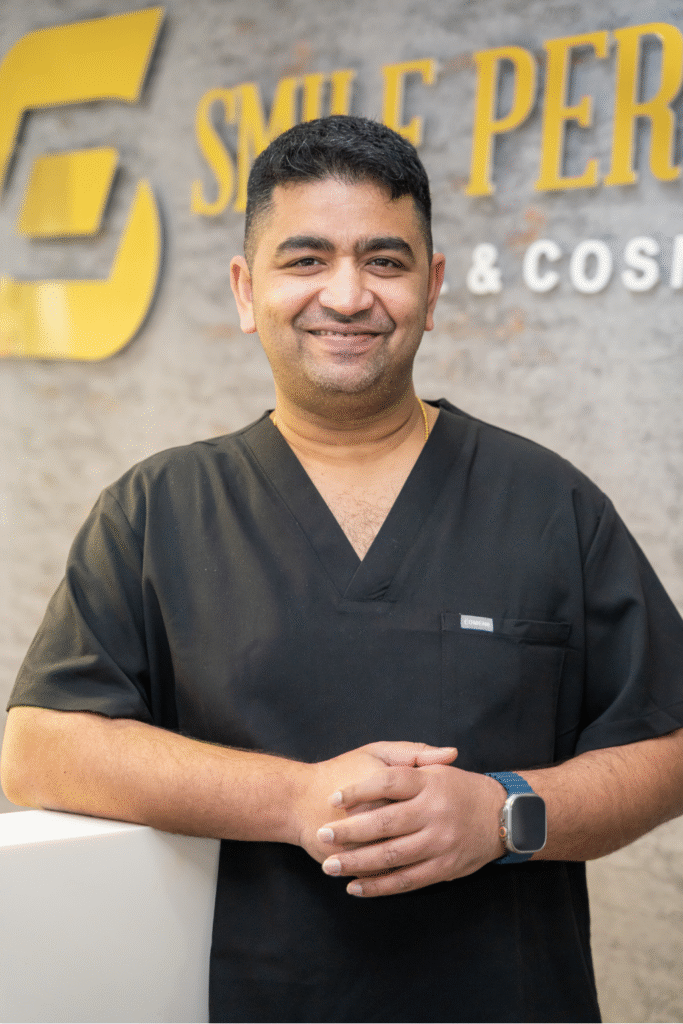
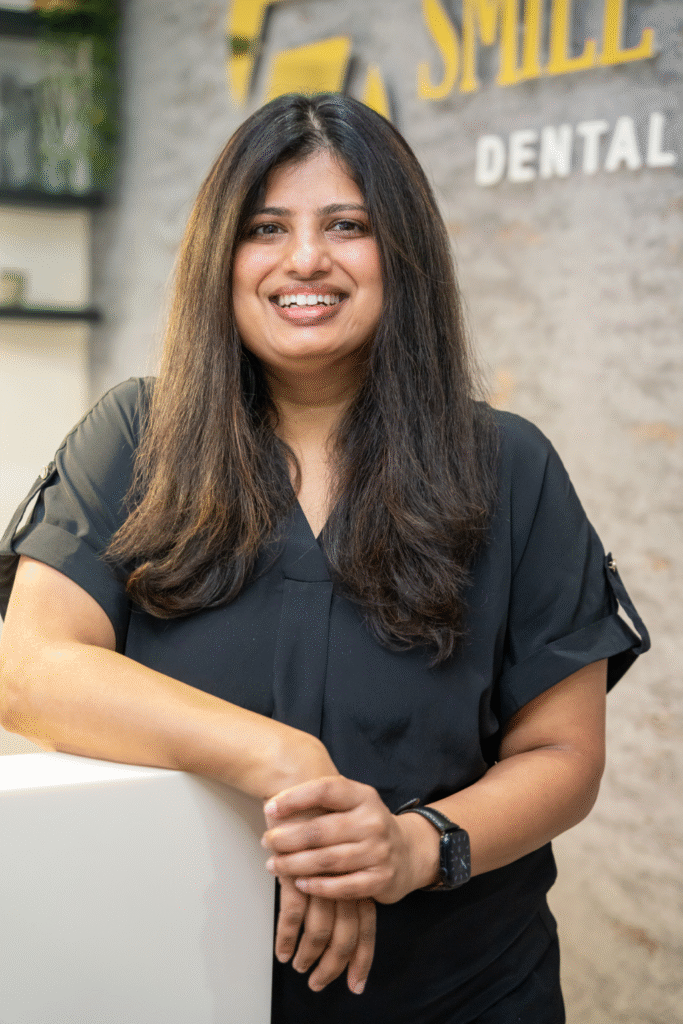
Written with input from the clinical team at Smile Perfections in Oadby, led by principal dentists Dr Juttes Pallipatt (GDC 104499) and Dr Pratima Pallipatt (GDC 101258).
Many people can’t quite put their finger on it. Their teeth aren’t broken, they don’t hurt, but their smile looks older than it used to. The front teeth seem shorter. The edges look flat, chipped or slightly see-through. In photos, less tooth shows when they smile.
This is tooth wear, and it’s one of the most common things we see at consultations here in Oadby. It happens gradually, over years, so it’s easy to miss until it’s quite advanced.
The good news is that worn teeth can almost always be protected and rebuilt, often without drilling healthy tooth. This guide explains why teeth wear down, how to stop it getting worse, and the options for restoring your smile.
At Smile Perfections, restoring worn teeth is one of the most rewarding treatments we offer, because the difference to a patient’s smile and confidence can be so noticeable.
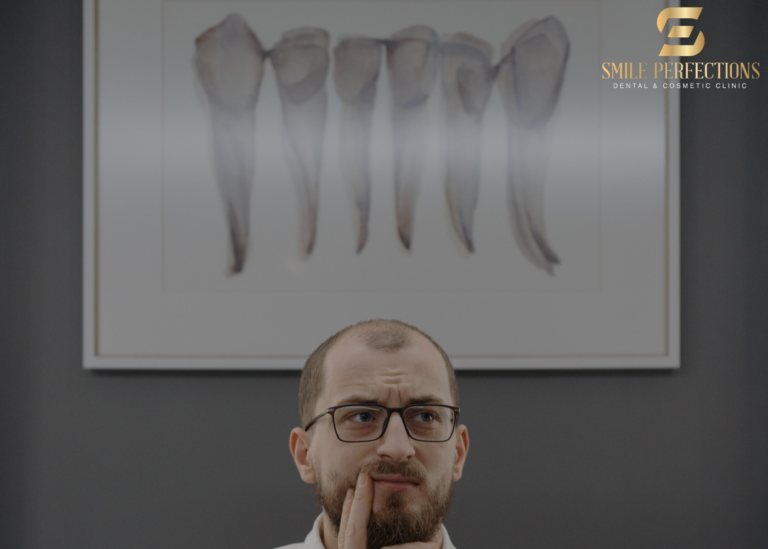
How worn teeth change your smile
Tooth wear isn’t just a dental issue. It changes the way your whole face looks.
What happens | How it looks |
|---|---|
The edges of the front teeth wear down | Teeth look shorter, and less tooth shows when you smile or talk |
Edges thin and chip | Uneven, jagged or see-through edges |
Enamel thins | Teeth look more yellow as the dentine underneath shows through |
Back teeth flatten | Your bite can feel different, and the lower face can look slightly shorter |
Surfaces become smooth and shiny | Loss of the natural texture and shape of each tooth |
Longer, brighter teeth with defined edges are one of the features we associate with a younger smile. As teeth wear, a smile can look several years older than it really is.
What causes tooth wear?
There are three main types of tooth wear. Most people with worn down teeth have a combination.
Grinding and clenching
Teeth grinding, often at night, is one of the biggest causes of worn teeth. The forces involved are far stronger than normal chewing, and they wear down the biting edges until teeth become flat and short. Many people don’t know they grind until a dentist spots the wear or a partner hears it.
Grinding can also strain the jaw. If you get jaw pain or clicking, our guide to jaw clicking and TMJ explains the connection.
Acid erosion
Acid from fizzy drinks, juice, wine, fruit teas or acid reflux softens enamel. Softened enamel then wears away much faster when you brush or chew. Erosion tends to make teeth look glassy and thin at the edges, and it often speeds up wear from grinding.
Brushing too hard
Scrubbing hard, especially with a hard brush or abrasive toothpaste, can wear notches into the teeth near the gumline. These areas are often sensitive.
Bite problems and crowding
When teeth don’t meet evenly, some teeth take more force than others and wear faster. Crowded or overlapping front teeth often show uneven wear patterns.
Age
Some wear is a normal part of getting older. But significant wear in younger adults, or wear that’s progressing quickly, isn’t normal and is worth getting checked.
Is your tooth wear active or historic?
This is one of the most important questions your dentist will ask. Some wear happened years ago and has since stopped. Other wear is still happening.
At a dental check-up, your dentist will look at the pattern and texture of wear, ask about your diet, drinks, grinding and health, and may take photos or scans. Comparing these at future visits shows whether the wear is stable or progressing.
It matters because there’s no point rebuilding worn teeth if whatever is wearing them down is still going on. The new restorations would simply wear away too.
Step one: stop the wear
Before any cosmetic work, the priority is protecting what you have.
- A custom night guard if you grind or clench
- Changing how you drink acidic drinks: with meals, through a straw, and followed by water
- Waiting an hour after acidic food or drink before brushing
- A soft or medium toothbrush and a gentle technique
- A fluoride toothpaste, and spitting rather than rinsing
- Speaking to your GP if you have reflux or heartburn
Your dental hygienist can help here too, by checking your brushing technique, recommending the right products, and applying fluoride to strengthen and protect worn enamel.
Step two: rebuild
Once the cause is under control, worn teeth can be restored. The best approach depends on how much wear there is and how many teeth are affected.
Composite bonding
For most people with mild to moderate wear, composite bonding is the first choice. Tooth-coloured resin is added to the worn edges and surfaces and shaped by hand to restore the length, shape and texture of the teeth.
- Usually little or no drilling of healthy tooth
- Often completed in one or two appointments
- Can make a smile look noticeably fresher and younger
- Can be repaired or adjusted in future
Because it adds to the tooth rather than taking away, bonding is ideal for worn teeth, where every bit of enamel counts. Our guide on how long composite bonding lasts explains what to expect over time.
Straightening first, then bonding
Sometimes worn teeth don’t have enough room to be rebuilt. This often happens when teeth are crowded, or when the bite has closed down as the teeth wore.
In these cases, moving the teeth first can create the space needed, so less material is required and the result looks more natural. Dr Pratima Pallipatt has a special interest in Invisalign and orthodontics, and a combined plan of aligners followed by bonding is often one of the most conservative ways to restore a worn smile.
Once the teeth are in their new position, composite bonding restores the worn edges, usually with far less material than would have been needed otherwise.
Veneers and crowns
For more severe wear, or where teeth are also heavily filled or discoloured, porcelain veneers or crowns may be recommended. These are very strong and long-lasting, but they involve more preparation of the tooth.
Rebuilding the whole bite
When many teeth are worn and the bite has changed, treatment may need to be planned carefully in stages, restoring the height and shape of the teeth so they meet comfortably again.
Comparing your options
Option | Best for | Drilling involved | Typical timescale |
|---|---|---|---|
Prevention only | Mild wear that’s stable | None | Ongoing |
Composite bonding | Mild to moderate wear on front teeth | Little or none | One or two visits |
Aligners then bonding | Worn teeth that lack space or are crowded | Little or none | A few months, then bonding |
Porcelain veneers | Moderate wear plus colour or shape changes | Some | Two or three visits |
Crowns | Severe wear or heavily filled teeth | More | Usually two visits per tooth |
Full bite rebuild | Widespread wear across many teeth | Varies | Several visits, planned in stages |
Protecting your new smile
Whatever treatment you have, protecting it is key:
- Wear your night guard every night if you grind
- Keep up with regular check-ups so restorations can be checked and polished
- See the hygienist regularly to keep your gums healthy and bonding looking its best
- Keep acidic drinks to mealtimes
- Avoid biting hard things like ice, pens and hard sweets
Regular hygiene appointments also give us the chance to polish any bonding and keep it looking fresh for longer.
When to see a dentist about worn teeth
Book an appointment if:
- Your front teeth look shorter or more uneven than they used to
- The edges of your teeth are chipping or look see-through
- Your teeth have become more sensitive
- You wake with jaw pain or headaches, or someone has heard you grinding
- You’ve noticed your bite feels different
The earlier tooth wear is spotted, the simpler and more conservative the treatment. Regular check-ups mean we can track any changes and step in before much tooth is lost.
If you’re nervous about treatment, we’re Dental Phobia Certified and offer sedation for nervous patients, so longer appointments can feel calm and comfortable.
Why patients choose Smile Perfections
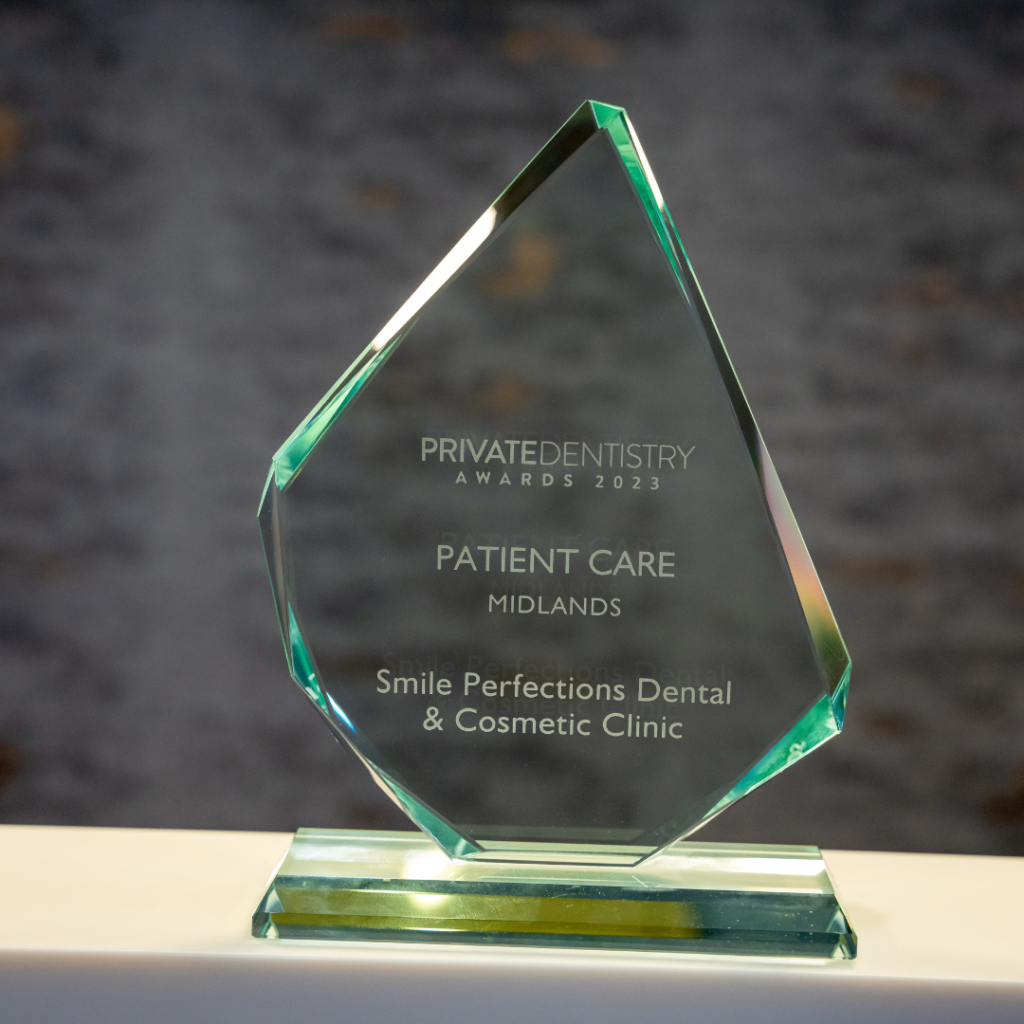
Smile Perfections is a private dental practice at 34 Harborough Road in Oadby, Leicester. Our principal dentists, Dr Juttes Pallipatt and Dr Pratima Pallipatt, bring together experience in cosmetic dentistry, orthodontics and restorative care, so we can plan worn-teeth treatment that’s both conservative and long-lasting. The practice has been a finalist at the Dentistry Awards and received a Private Dentistry Award for patient care in the Midlands.
We always start with honest advice: what’s causing the wear, what can be done to stop it, and the simplest way to restore your smile. There’s no obligation and no pressure.
You can call us on 0116 467 4674.
Patients frequently ask
Yes. Once the cause of the wear is under control, worn teeth can usually be rebuilt with composite bonding, veneers or crowns, depending on how much wear there is. Bonding is often the first choice because it needs little or no drilling.
The most common causes are grinding or clenching, acid erosion and uneven bite forces. Often it’s a combination. A dentist can look at the pattern of wear to work out the main cause and how to stop it.
Very often, yes. Composite bonding adds tooth-coloured material to worn edges and surfaces without removing healthy tooth, which makes it ideal for worn down teeth. It can restore length and shape and is usually done in one or two visits.
In most cases, yes. A night guard can protect against grinding, and changes to diet, drinking habits and brushing technique can stop erosion and abrasion. Regular check-ups help track whether the wear has stabilised.
Not always. But if your teeth are crowded or there isn’t enough space to rebuild them, straightening them first with aligners such as Invisalign can make bonding easier, more conservative and more natural-looking.
If you’ve got a mouth ulcer that’s lasting longer than expected, or you’re getting them more often than feels normal, get in touch. We’ll take a proper look.
Medical and dental information disclaimer
The information in this article is intended for general educational guidance only and does not constitute personalised dental advice. For concerns about a dark or discoloured tooth, please book an appointment with a qualified dental professional for a proper clinical assessment.
Smile Perfections is a private dental practice in Oadby, Leicester, led by Dr Juttes Pallipatt GDC No. 104499 and Dr Pratima Pallipatt GDC No. 101258. We offer dental check-ups, composite bonding, dental hygienist appointments, Invisalign, porcelain veneers, teeth whitening, dental crowns and smile makeovers.